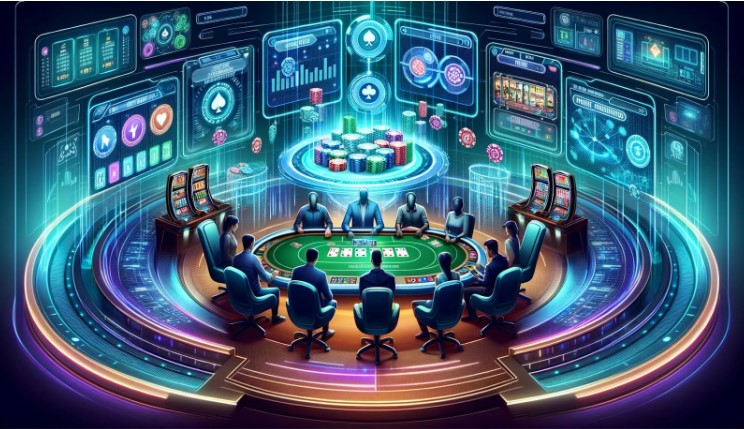
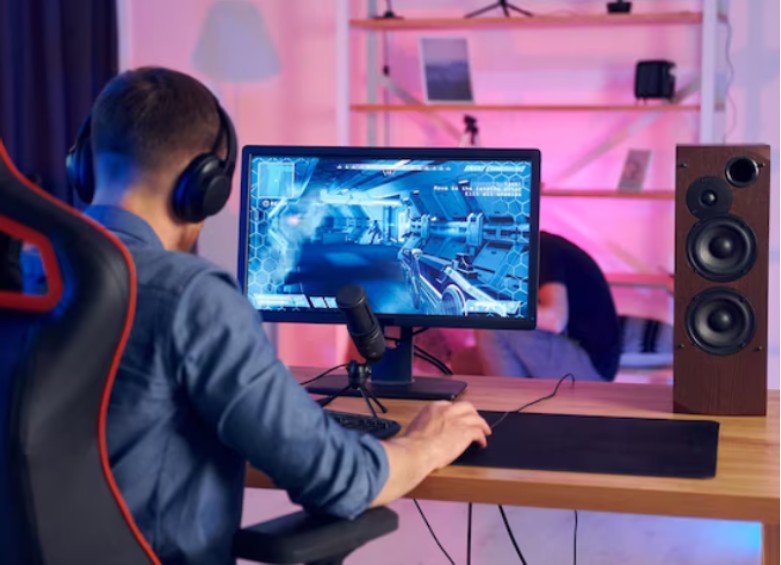
Video gaming has evolved significantly over the years, moving from simple offline experiences to highly connected online platforms.
While both online and offline gaming provide entertainment, challenges, and immersive experiences, the way players interact, compete, and progress can be very different. The main difference lies in connectivity, social interaction, gameplay structure, and the overall experience offered to players.
Understanding these differences helps explain why online gaming has become such a major part of modern entertainment while offline gaming continues to maintain its own dedicated audience.
The Role of Internet Connectivity in Online Gaming
The most obvious difference between online and offline gaming is the requirement for an internet connection. Online video games at texas88.com are designed around network-based interactions, allowing players to connect with others from different locations.
Online gaming often includes:
- Multiplayer matches with real-time opponents
- Shared virtual worlds where many players participate together
- Regular updates and new content
- Online competitions and rankings
- Communication features such as voice or text chat
In contrast, offline games are usually designed to be played without an internet connection. Players experience the content that is already included within the game. This allows offline gaming to provide a more controlled and independent experience without depending on network quality or online availability.
Social Interaction and Community Experience
One of the biggest differences between online and offline gaming is the level of social interaction. Online games create communities where players can cooperate, compete, and communicate with each other.
Many online games encourage teamwork through features such as:
- Team-based missions
- Multiplayer battles
- Player groups or clans
- Community events
- Shared achievements
This social element can make gaming feel more dynamic because every match or interaction may involve different players with unique strategies and playing styles.
Offline gaming, however, usually focuses more on personal experiences. Players often follow a story, complete challenges, or explore a game world independently. Although some offline games offer local multiplayer options, they generally do not provide the same level of global interaction as online platforms.
Differences in Gameplay and Progression
Online and offline games often follow different approaches when it comes to gameplay design. Online games are commonly built to keep players engaged over longer periods. Developers frequently introduce updates, seasonal content, new challenges, and gameplay changes to maintain interest.
Progression in online games may involve:
- Unlocking new characters or abilities
- Improving rankings
- Collecting digital items
- Completing online challenges
- Participating in limited-time events
Offline games usually have a more defined structure. Players often complete a story campaign, finish missions, or reach a final objective. The experience is usually planned from beginning to end, giving players a clear sense of completion.
Performance and Gaming Experience
Offline gaming generally provides a more stable experience because it does not rely on internet speed or server performance. Players can enjoy smooth gameplay without worrying about connection issues.
Online gaming, on the other hand, depends on several technical factors, including:
- Internet speed
- Server availability
- Connection stability
- Device performance
A poor connection can affect gameplay through delays, interruptions, or slower responses. However, advancements in gaming technology have improved online experiences, allowing players to enjoy faster and more reliable connections.
The Importance of Competition
Competition is another area where online mix parlay gaming stands apart. Online platforms allow players to compete against real people rather than only computer-controlled characters. This creates unpredictable challenges because human opponents can develop different strategies and skills.
Competitive online gaming often includes:
- Player rankings
- Tournaments
- Leaderboards
- Skill-based matchmaking
These features motivate players to improve their abilities and continue participating.
Offline games can also include challenging gameplay, but the competition is usually against artificial intelligence-controlled characters or personal goals. The challenge is often based on completing levels, solving problems, or mastering game mechanics.
Freedom and Accessibility in Offline Gaming
Although online gaming offers many advantages, offline gaming remains popular because of its simplicity and accessibility. Players do not need to create accounts, connect to servers, or depend on other players to enjoy the experience.
Offline games are often preferred by players who enjoy:
- Story-focused experiences
- Relaxed gameplay sessions
- Playing without interruptions
- Exploring game worlds at their own pace
This makes offline gaming a good option for those who value independence and a more personal experience.
Choosing Between Online and Offline Gaming
The choice between online and offline gaming depends on individual preferences. Players who enjoy social interaction, competition, and constantly changing content may prefer online gaming. Those who enjoy storytelling, exploration, and uninterrupted gameplay may find offline gaming more suitable.
Both gaming styles offer unique advantages. Online video gaming creates connected experiences where players can interact with a worldwide community, while offline gaming provides focused experiences built around individual enjoyment.
Conclusion
Online and offline gaming represent two different approaches to interactive entertainment. Online gaming focuses on connectivity, competition, and community-driven experiences, while offline gaming emphasizes personal progress, storytelling, and independence.
Neither option is necessarily better than the other. The best choice depends on what players want from their gaming experience. Whether someone enjoys competing with others or exploring a game world alone, both online and offline gaming continue to offer engaging ways to experience digital entertainment.