
Potatoes are one of the most versatile ingredients in the kitchen, yet many people underestimate how much the cooking method influences their flavor. A potato is far more than a neutral side dish. Heat, moisture, cooking time, and even the type of potato used all contribute to the final taste and texture. Whether roasted until golden, boiled until tender, or fried until crisp, the same potato can deliver completely different eating experiences.
Learning how to cook potatoes properly is not only about following a recipe. It is about understanding how different techniques unlock natural sweetness, enhance earthy notes, or create the crispy textures that make potatoes so enjoyable.
Roasting Creates Richer And Sweeter Flavors
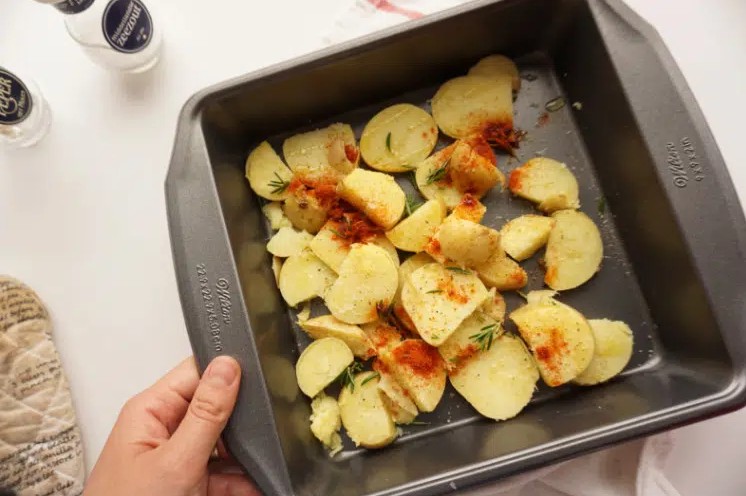
Roasting transforms potatoes through dry heat. As the outside browns, natural sugars and starches react with high temperatures, creating a rich, caramelized flavor. This process produces the crispy exterior that many people love while keeping the inside soft and fluffy.
Adding herbs, garlic, or olive oil before roasting further enhances these flavors because the seasonings have time to cook alongside the potatoes rather than simply coating them after cooking. The result is a deeper and more complex taste than many other preparation methods.
Boiling Preserves Natural Taste
Boiling is one of the simplest ways to prepare potatoes, but it delivers a completely different flavor profile. Since the potatoes cook in water, they maintain much of their natural earthy taste without developing browned surfaces.
This makes boiled potatoes ideal for salads, mashed potatoes, and dishes where additional ingredients provide most of the flavor. Choosing the right cooking time is important because overcooking can cause potatoes to absorb excess water, reducing both texture and taste.
Understanding how to cook potatoes through boiling helps preserve their natural character while providing a smooth base for countless recipes.
Frying Adds Layers Of Texture
Frying dramatically changes the eating experience by combining crispy exteriors with creamy interiors. High temperatures quickly remove surface moisture, allowing a crunchy crust to form while the center remains tender.
French fries, hash browns, and potato wedges all rely on this contrast. Even small adjustments, such as double frying or using different oils, can noticeably affect both flavor and texture. The crisp surface also holds seasonings exceptionally well, making every bite more flavorful.
Steaming Keeps Potatoes Light
Steaming often receives less attention than roasting or frying, but it offers unique advantages. Since potatoes are cooked with steam rather than submerged in water, they retain more of their natural flavor while avoiding excess moisture.
Steamed potatoes have a delicate texture that works well in healthy meals or as a base for herbs, butter, or light sauces. Because they are not exposed to intense heat, their flavor remains clean and subtle.
Baking Concentrates Flavor Naturally
Baking whole potatoes allows moisture to escape while concentrating their natural starches slowly. The result is a fluffy interior surrounded by a slightly crisp skin packed with flavor.
In contrast to boiling, baking encourages the potato’s natural sweetness to become more noticeable. Because the baked potato’s flavor is still strong, toppings like cheese, sour cream, chives, or veggies enhance rather than overshadow it.
One of the simplest ways to enjoy potatoes’ natural flavor with no preparation is to bake them.
Potato Variety Also Matters
Cooking methods are only part of the equation. Different potato varieties respond differently to heat because of their starch content.
High starch potatoes become fluffy when baked or mashed, making them perfect for roasting and frying. Waxy potatoes hold their shape better during boiling, making them ideal for soups and salads. All-purpose varieties offer flexibility across several cooking methods but may not excel in every application.
Matching the right potato with the right technique allows each cooking method to produce its best possible flavor.
Seasoning Timing Makes A Difference
The stage at which seasonings are added also influences taste. Herbs added before roasting develop toasted aromas, while fresh herbs sprinkled after cooking provide brightness. Salt applied during boiling seasons potatoes from within, while finishing salt on roasted potatoes creates bursts of flavor with every bite.
Even simple ingredients such as butter, pepper, garlic, or rosemary can taste remarkably different depending on when they are introduced during cooking.
Conclusion
Potatoes are far more dynamic than they appear. Every cooking method changes moisture levels, texture, sweetness, and aroma, creating a unique eating experience from the same ingredient. Roasting builds caramelized richness, boiling preserves natural flavor, frying delivers satisfying crispness, steaming keeps potatoes light, and baking concentrates their sweetness. By understanding how to cook potatoes using different techniques, home cooks can create dishes that suit every meal while appreciating the remarkable versatility hidden within this everyday vegetable.
