
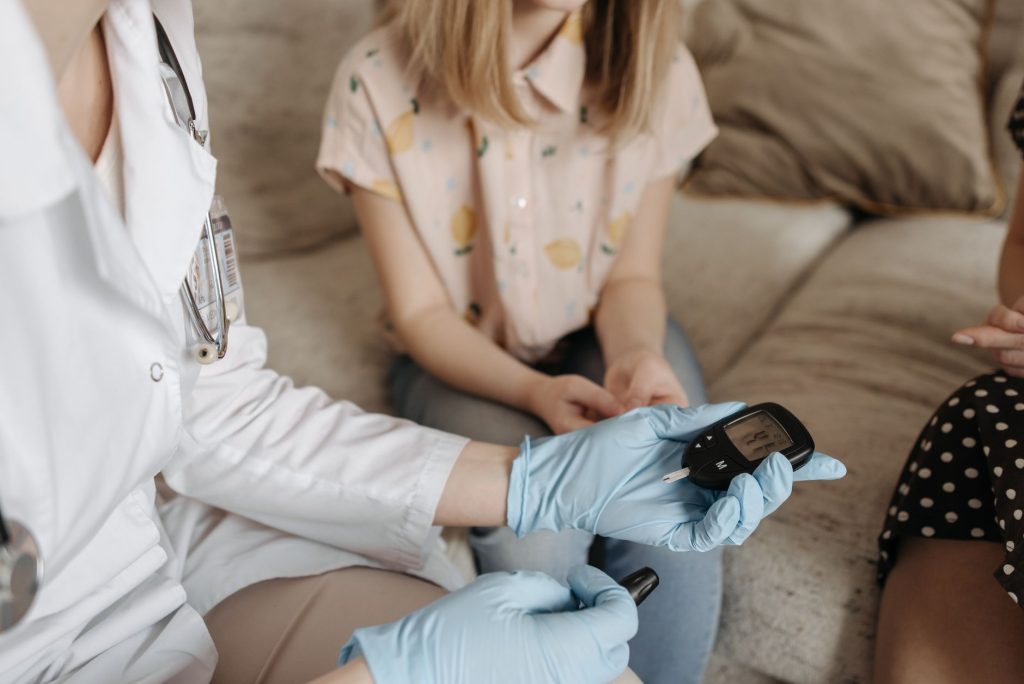
Do you know the feeling of an afternoon slump, when your energy drops, your concentration fades and you suddenly crave something sweet? For many people, these ups and downs are linked to how their blood sugar behaves throughout the day. Understanding blood sugar can help you eat in a way that keeps energy steadier and supports long-term health. This article explains the basics, looks at nutrients often discussed in this context and gives practical tips for everyday life.
What Is Blood Sugar?
Blood sugar, or blood glucose, is the amount of glucose circulating in your blood. Glucose comes mainly from the carbohydrates we eat and is the body’s main source of energy. After a meal, blood sugar rises, and the pancreas releases insulin, a hormone that helps move glucose into cells. Between meals and overnight, other hormones help keep levels from falling too low.
In healthy people, this system works smoothly. But when meals are rich in quickly digested carbohydrates, blood sugar can rise sharply and then fall quickly, which may contribute to tiredness and cravings. Over years, factors such as excess weight, inactivity and genetics can reduce how well cells respond to insulin. This is called insulin resistance and can eventually lead to prediabetes or type 2 diabetes.
Signs Worth Paying Attention To
Common signs that blood sugar regulation may not be optimal include frequent energy dips after meals, strong cravings for sweets, increased thirst or frequent urination, and slow wound healing. Some of these symptoms can indicate diabetes. If you notice them, see a doctor and have your blood sugar tested. A simple blood test can provide clarity.
Everyday Strategies for Steadier Blood Sugar
Build balanced meals
Combine carbohydrates with protein, healthy fats and fiber. A plate with vegetables, a protein source and a portion of whole grains leads to a gentler rise in blood sugar than a large serving of white bread or pasta alone.
Choose slow carbohydrates
Whole grains, legumes, vegetables and whole fruits release glucose more slowly than refined flour, sugar and sweet drinks.
Change the order of foods
Some research suggests that eating vegetables and protein before carbohydrates in a meal can reduce the blood sugar peak.
Move after meals
A ten- to fifteen-minute walk after eating helps muscles take up glucose and can noticeably flatten the blood sugar curve.
Sleep and stress
Poor sleep and chronic stress can raise blood sugar and increase cravings. Regular sleep and relaxation are part of good metabolic health.
Nutrients Discussed in Connection With Blood Sugar
Chromium. An essential trace element. Chromium contributes to the maintenance of normal blood glucose levels, which is an officially recognized health claim in the EU.
Cinnamon extract. Cinnamon has been studied for its effects on blood sugar. Some studies report small improvements, while others do not, so the evidence remains inconclusive.
Alpha-lipoic acid. An antioxidant produced by the body and found in some foods. It has been studied in relation to insulin sensitivity and nerve health in people with diabetes.
Berberine. A plant compound found in barberry and other plants. Several studies suggest it may lower blood sugar, which is exactly why it must be used with caution: it can interact with diabetes medication and other drugs.
Vitamin B6. Contributes to normal energy-yielding metabolism and to the reduction of tiredness and fatigue.
Zinc. Contributes to normal carbohydrate metabolism and to the normal function of the immune system.
An Example Product
ActivPulse is a supplement that the seller places in its “blood sugar and heart” category. According to the product page, it contains chromium, cinnamon extract, alpha-lipoic acid, berberine, vitamin B6 and zinc. The page itself notes that results vary and may take weeks to months to appear, and it does not state a specific daily dose, so check the packaging for the exact amounts. You can find the product here: ActivPulse kaufen.
If you are considering a product like this, please keep the following in mind:
- It does not replace diabetes treatment. If you have diabetes or prediabetes, follow your doctor’s treatment plan. Never reduce or stop prescribed medication on your own.
- Berberine is not harmless. Because it can lower blood sugar and interacts with many medications, people taking diabetes drugs, blood thinners, immunosuppressants or other regular medication should speak to a doctor or pharmacist first. It is not recommended during pregnancy or breastfeeding.
- Watch for low blood sugar. Combining blood sugar-lowering supplements with medication can lead to hypoglycemia, with symptoms such as shakiness, sweating and confusion.
- Digestive side effects. Berberine and alpha-lipoic acid can cause stomach discomfort in some people.
A Sample Day for Steady Energy
- Breakfast: Greek yogurt with berries, nuts and a spoonful of oats.
- Lunch: A large salad with chickpeas or chicken, olive oil dressing and a slice of whole-grain bread.
- Afternoon snack: An apple with a handful of almonds instead of a sweet pastry.
- Dinner: Fish or tofu with roasted vegetables and a small portion of brown rice, followed by a short walk.
- Drinks: Water, unsweetened tea or coffee rather than soft drinks.
Know Your Numbers
Regular health check-ups that include a fasting glucose or HbA1c test are a smart investment, especially if you have risk factors such as overweight, a family history of diabetes or high blood pressure. Detecting changes early gives you the best chance of reversing them through lifestyle measures.
Conclusion
Stable blood sugar supports steady energy, better concentration and long-term health. The most powerful tools are everyday habits: balanced meals, slow carbohydrates, movement after eating, good sleep and stress management. Nutrients such as chromium, zinc and B vitamins play recognized roles in metabolism, while ingredients like berberine and cinnamon are still being researched and require caution. If you choose to use a supplement, treat it as an addition to a healthy lifestyle, check with your doctor if you take medication and keep an eye on how your body responds.


